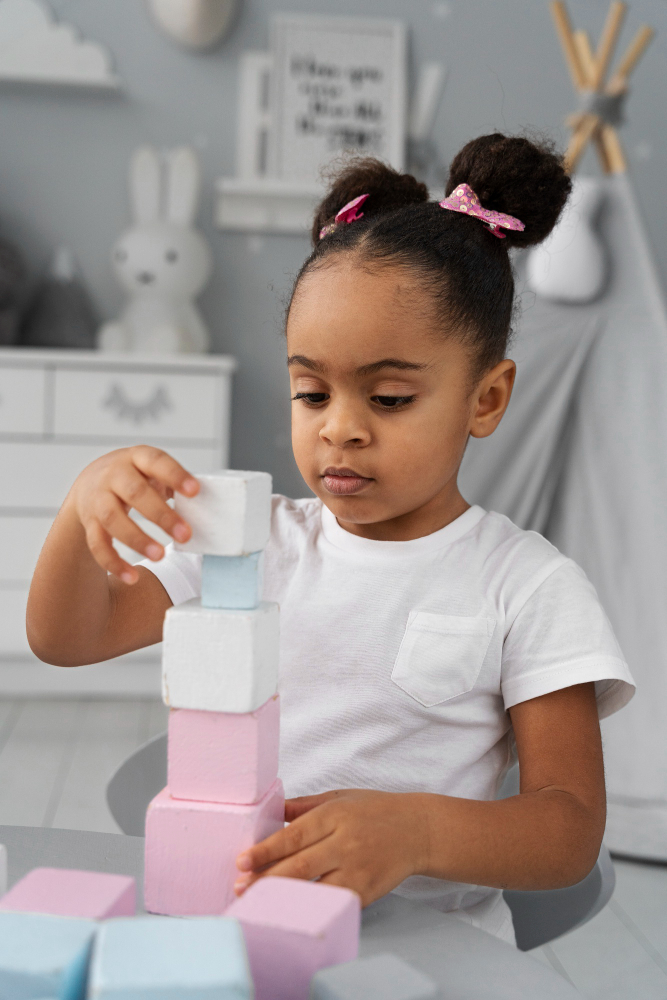
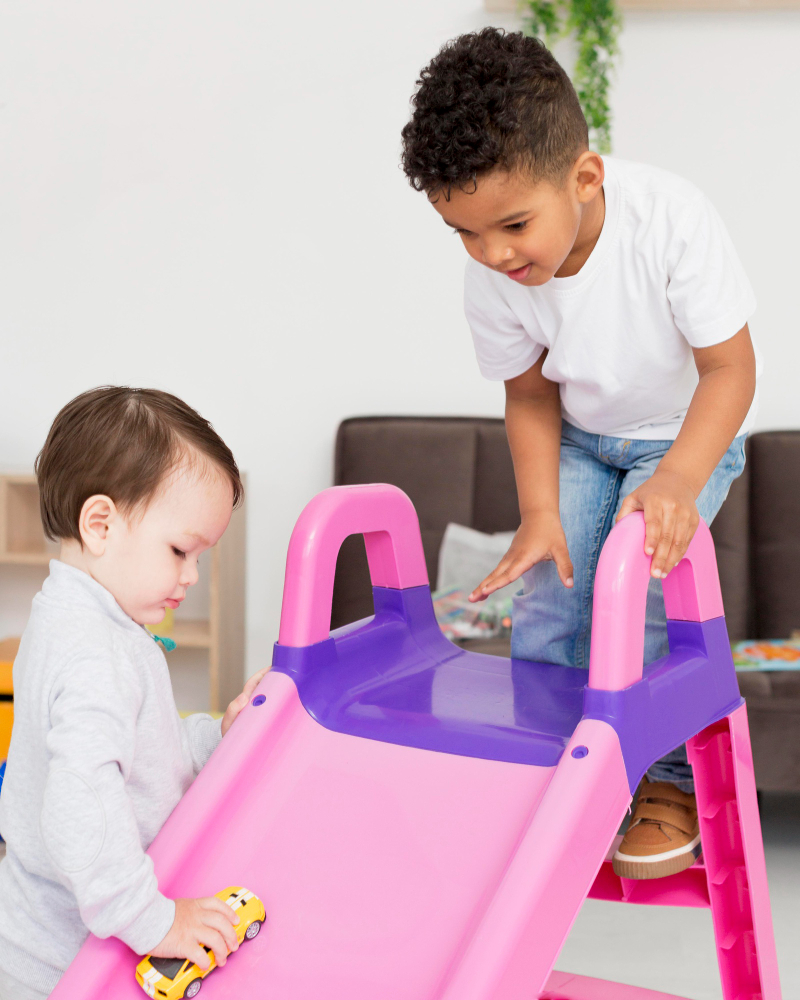
Our assessment philosophy centers on authentic evaluation that occurs naturally within the context of daily activities and play experiences.
Rather than relying on formal testing that can create anxiety and may not accurately reflect a child's true abilities, our teachers observe children engaged in meaningful learning experiences and document their progress through multiple methods.
Portfolio development for each child includes work samples, photographs of projects and activities, anecdotal records of significant learning moments, and developmental checklists that track progress across all curriculum areas.
Based on ongoing assessment data, our teachers develop individualized learning plans that address each child's unique strengths, interests, and developmental needs.
These plans guide daily interactions, activity planning, and curriculum modifications that ensure every child is appropriately challenged while experiencing success and building confidence.
Learning goals are established collaboratively between teachers and families, taking into account parents' observations of their child's interests and abilities at home as well as professional assessment of classroom performance.
Regular communication with families ensures that assessment information flows both ways, with teachers learning from parents about their child's home experiences, interests, and development while sharing professional observations and insights about classroom progress.
Monthly progress updates provide families with detailed information about their child's development across all curriculum areas, including specific examples of growth, emerging skills, and recommended activities for home extension. These updates go beyond simple checklists to provide meaningful insight into how children are developing as learners and individuals.
Assessment information collected across all children helps our education team identify trends, evaluate curriculum effectiveness, and make program-wide improvements that benefit all learners.
This aggregate data analysis ensures that our programs remain current with best practices and responsive to the needs of the children we serve.
Professional development planning for our staff is informed by assessment outcomes and identified areas where additional training or resources might enhance our ability to support children's learning.
Modern documentation tools including tablets and digital cameras allow our teachers to capture learning moments as they happen, creating rich records of children's thinking processes, problem-solving strategies, and creative expressions that might be difficult to assess through traditional methods alone.
Digital portfolios accessible to families through our secure parent portal allow real-time sharing of assessment information, work samples, and developmental progress.
Parents can access their child's portfolio anytime to see recent work, read teacher observations, and understand their child's growth trajectory across all areas of development.
Individualized assessment approaches accommodate children with different learning styles, developmental timelines, and special needs through flexible methods that capture each child's unique abilities and growth patterns.
Some children might demonstrate understanding through verbal expression while others show learning through artistic creation or physical demonstration.
Collaboration with specialists including speech therapists, occupational therapists, and early intervention professionals ensures that children receiving additional services have coordinated support plans that align with their individual education plans and therapeutic goals.